
Interview | “Queerness often shows up in my writing”: Akira Otani
The author of The Night of Baba Yaga on writing about yakuza, the Japanese mafia, from a queer lens and winning UK’s Crime Writers’ Association Dagger Award

What inspired you to write The Night of Baba Yaga, a novel where two women find each other in the yakuza underworld?
The initial spark was a desire to capture action using prose. There were already plenty of stories of violent men running wild. I liked the idea of focusing on a woman who’s so strong and tough she breaks the mould. And it’s common in Japan for yakuza to show up in works of fiction as a kind of anti hero or even as romantic figures. I didn’t want to go that route. A woman that I used to know got murdered by the yakuza, you see. This was a painful episode for me, and one that made it all too clear that the yakuza aren’t fictional characters. They’re real. While I was writing, I consulted the work of specialists on the subject.
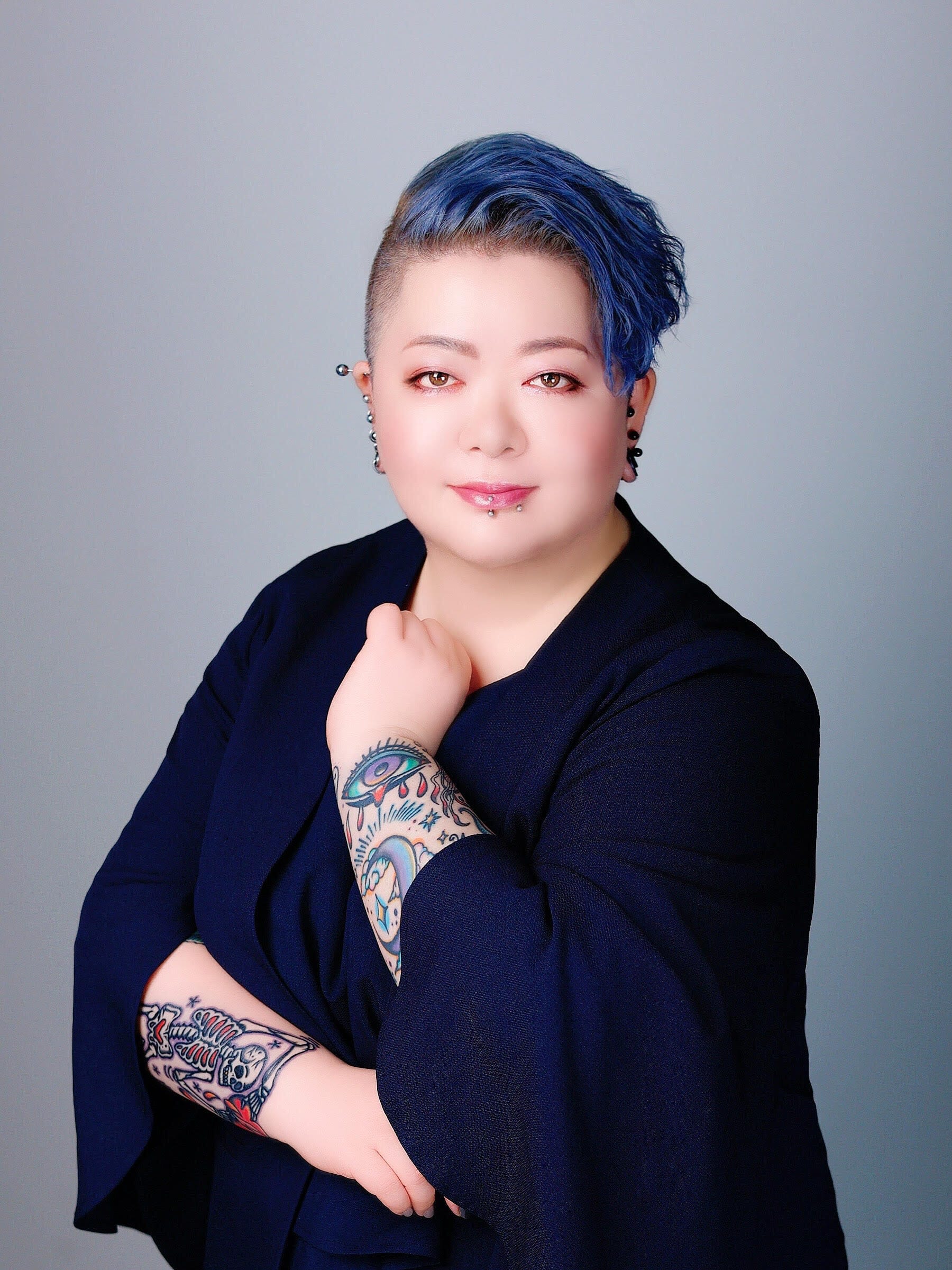
The novel is described as a “queer thriller.” How important was it for you to center LGBTQ+ themes within the yakuza genre, and what challenges did that present?
I’m openly lesbian. Queerness often shows up in my writing. I don’t think I’ve ever sat down and consciously written something with a queer theme, though. In my world, queer stuff is normal, so when I’m putting a story together, doing what comes naturally to me, the content tends to take a queer direction on its own.
How does it feel to become the first Japanese writer to win the Crime Writers’ Association Dagger Award for crime fiction in translation. What does it mean for Japanese crime fiction globally?
This book couldn’t have been nominated for literary awards overseas, much less won them, without the efforts of my translator, Sam Bett. In that sense, it doesn’t feel like something that I did myself. I do hope that winning this award will alert readers outside of Japan to all the excellent crime fiction that Japanese writers have been producing for years and years.
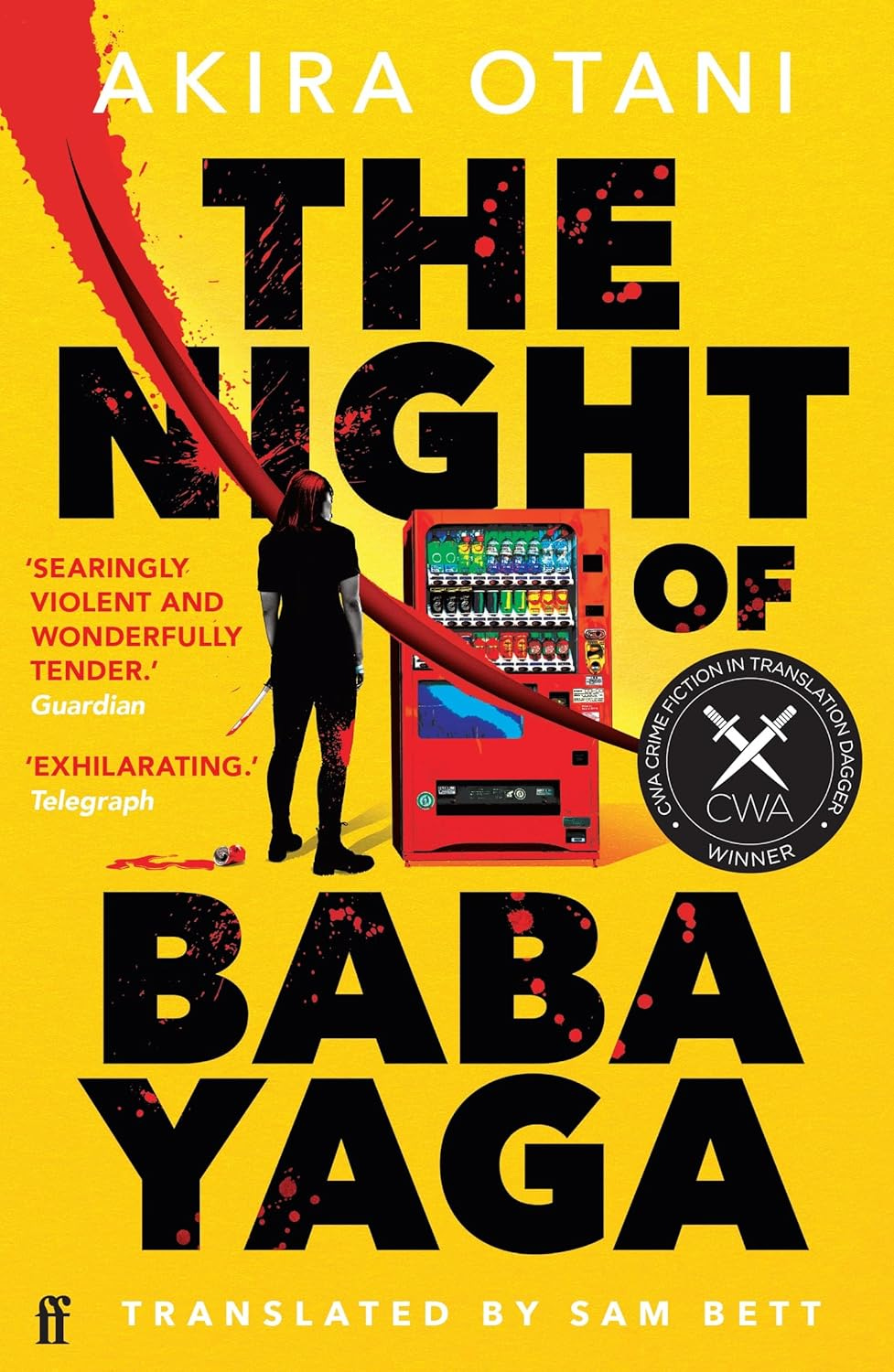
How has your observation of gender archetypes in Japanese fiction shaped the way you developed Yoriko Shindo and Shoko Naiki as characters?
I think this goes for any country, but the sort of women who show up as protagonists in fiction tend to be slender and conventionally beautiful. I wanted to write a character who was, above all, powerful, someone whose use of violence had its own special appeal. That’s how I came up with Shindo. Shoko, meanwhile, is meant to represent the oppression that Japanese women have dealt with in the past and continue to face.
You began your career writing for video games before moving to fiction. How has your gaming background influenced your storytelling, particularly in terms of pacing and visual elements?
It’s true that the first writing I did professionally was for video games, although at that point I’d been writing my own fiction for years. I put my heart and soul into those games, but my core focus has always been my writing.
Akira Otani’s responses have been translated by Sam Bett
(This interview was originally published on Hindustan Times)
I read The Night of Baba Yaga (ババヤガの夜) in Japanese on New Year’s Day, all in one sitting, and I loved it. Most yakuza stories tend to revolve around male characters, so it felt especially refreshing to read a novel with female protagonists. It gave the story a very different energy and that stayed with me even after I finished the last page.